How combustion occurs
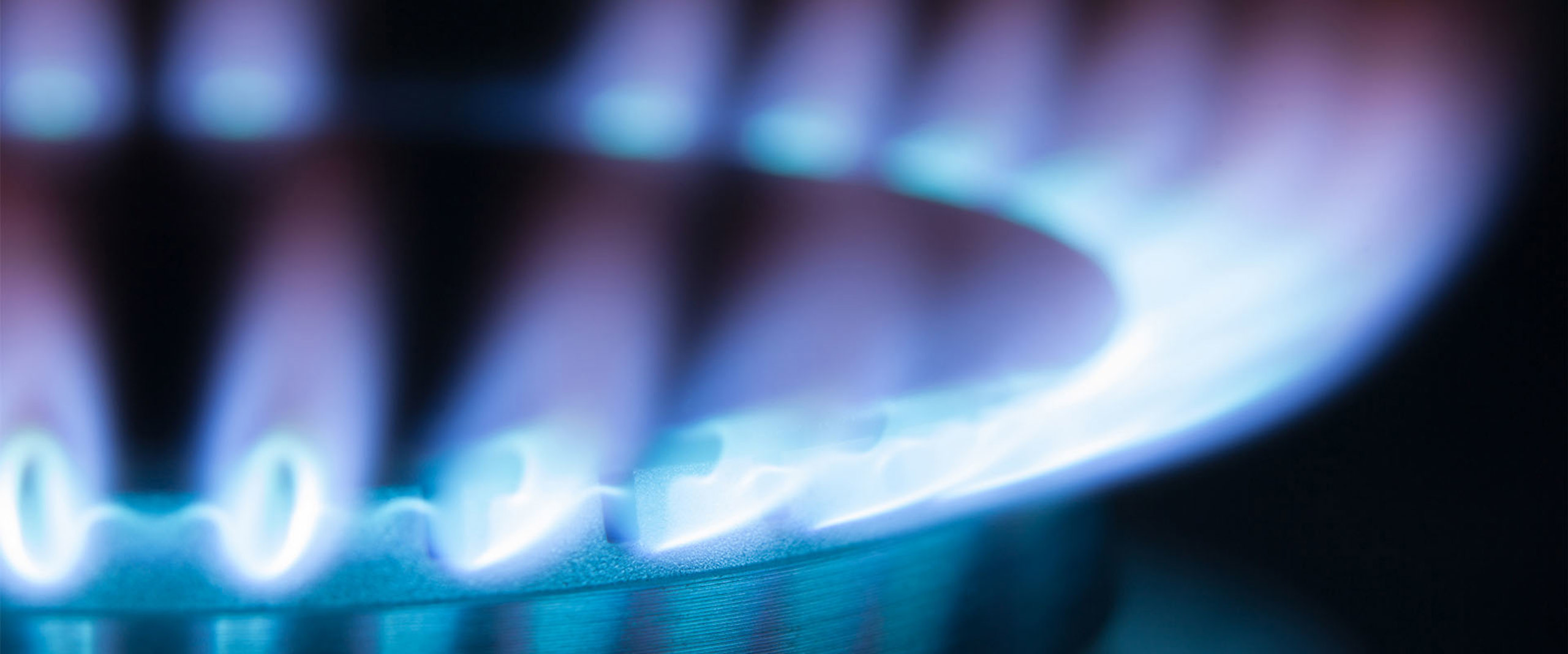
As we have seen over the previous posts , emissions are the result of various combustion processes, industrial and otherwise, but how does combustion work? Let's see it together with this in-depth analysis.
What does combustion mean?
Let's start from the basics. The term “ combustióne ” derives from the Latin combustio -onis , or “burning”. Let's see how this reaction occurs.
What is combustion and how does it happen?
Combustion is the oxidation reaction of a fuel by means of a oxidizing whose result is production of heat and electromagnetic radiation , very often including light.
The most common fuels are the so-called fossil fuels, such as coal and oil, while the typical oxidizer is oxygen, or more precisely air which contains other gases in addition to oxygen.
The presence of a fuel and an oxidizer is not in itself a sufficient condition for combustion to take place, it is in fact necessary adequate concentration of the two and the intervention of a trigger . For further information on this topic, please refer to two articles in our Magazine: Fire triangle: when combustion occurs and What is the L.I.E .
How complete combustion occurs (stoichiometric)
Ideally, when we use combustion as an energy source (residential, industrial boilers, engines, etc.) we would like all the energy available in the fuel to be used, thus carrying out a complete combustion according to the stoichiometric ratio that represents the ideally perfect ratio between the oxidizer and the fuel so that no waste remains. Let's see two examples that concern two widely used fuels, methane and coal.
The stoichiometric reaction of methane combustion is the following:
CH4 + 2O2 -> CO2 + 2H2O
So to burn one mole of methane two moles of oxygen are needed. Of course, in reality this does not happen, particularly in the absence of oxygen, reactions occur which can lead to various products, including carbon monoxide and methanol. If we add the fact that the main oxidizer used is air (21% oxygen 79% nitrogen), we understand why in practice we never burn according to the stoichiometric reaction , but we try to burn in excess of air, in order to avoid the most harmful products of the combustion waste.
The same consideration applies to coal. Ideally, if we had pure coal, i.e. containing only carbon, the stoichiometric reaction would be the following:
C + O2 -> CO2
What happens in reality is that in the presence of combustion lacking oxygen we have the formation of carbon monoxide, or in cases of a strong lack of O2 even carbon black.

Air, fuel and combustion analysis
From what we have just seen, the importance of checking the air/fuel ratio when combustion occurs should be clear. This is a fundamental check both in terms of energy efficiency and emissions reduction. In practice, therefore, through combustion analysis we will try to balance between rich combustion (more fuel than air) and a poor (more air than fuel) in order to avoid the formation of toxic gases and residues as much as possible.
Generally, the more carbon present in a fuel, the more oxygen is needed for complete combustion. We will delve deeper into some of the main fuels in the next article .