Analysis of emissions on forklifts
Many forklifts have engines that use propane, natural gas, diesel or other fossil fuels. In all these cases problems both of efficiency of the medium itself, and safety in the workplace.
The use of forklifts with engines powered by fossil fuels requires addressing three problems:
- optimize combustion efficiency by maximizing fuel savings ;
- identify and quantify emissions that may be harmful to the safety and comfort of the working environment;
- measure and reduce harmful emissions in forklift exhaust gases.
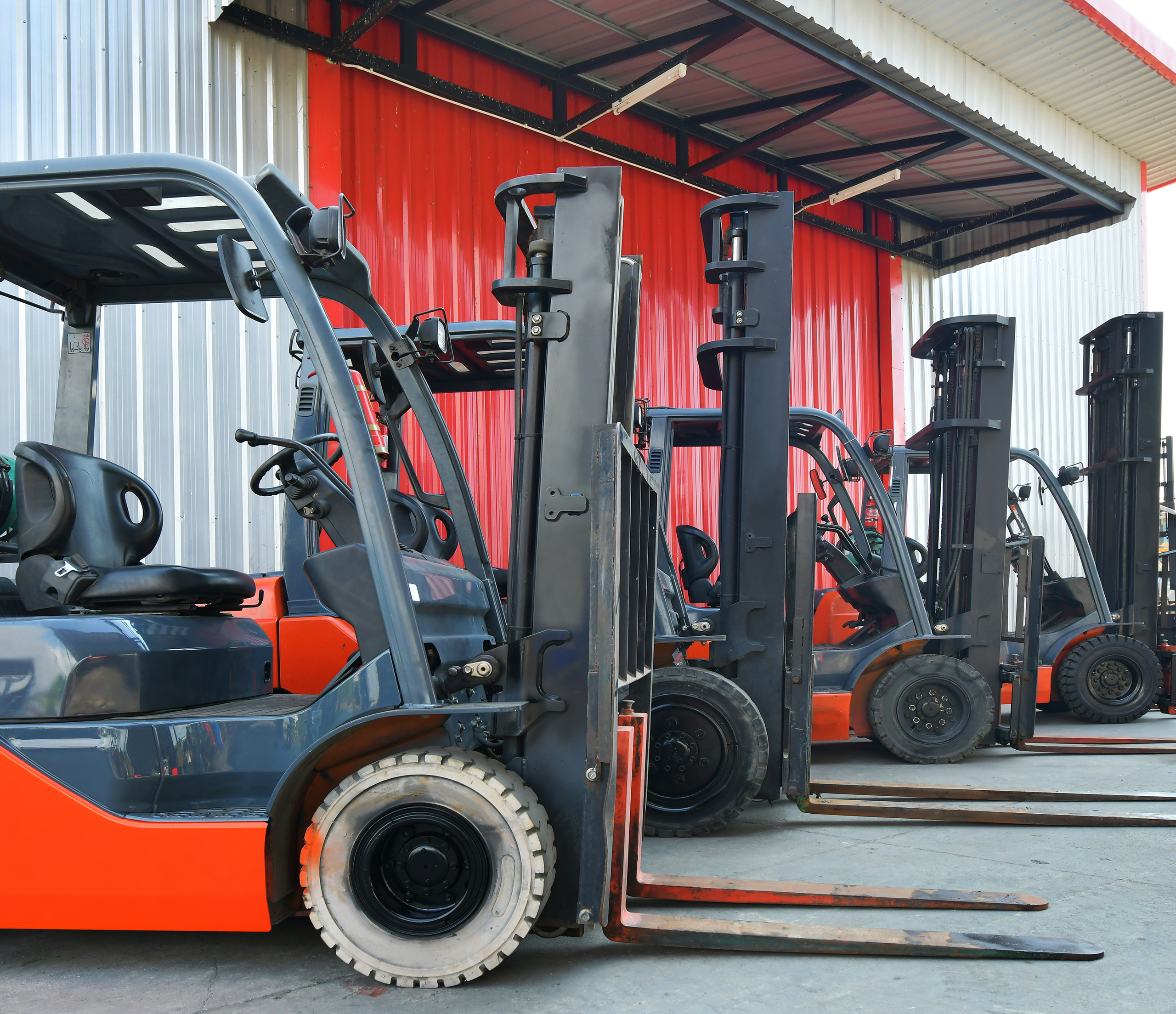
Greater combustion efficiency means cleaner combustion, a lower fuel consumption , less need for maintenance , and therefore a overall better performance of the truck with a reduction in operating costs.
In this context, the combustion analyzer plays the role of a diagnostic and maintenance tool as it quantifies the efficiency of the forklift by measuring parameters such as O2 (for the calculation of the air/fuel ratio) and CO.
Through the analysis of exhaust gases it is therefore possible to fine-tune the engine in order to bring the presence of harmful gases within the permitted limits.
Lowering emissions , and consequently improving air quality, increases the level of safety and comfort of the forklift operator, as well as colleagues who share the same work space.
To carry out the analysis of emissions on forklifts, Seitron offers Novo equipped with NO2 sensor .
Novo is an combustion analyzer extremely fast and intuitive, equipped with a touch screen, integrated and removable anti-condensation trap, possibility of mounting up to 4 sensors for analysis.
Find out how the Novo combustion analyzer by Seitron guarantees greater efficiency , reduction of operating costs and better safety for your forklifts through precise exhaust gas analysis